EN
EN
 RU
RU
Оборудование для модифицирования битума
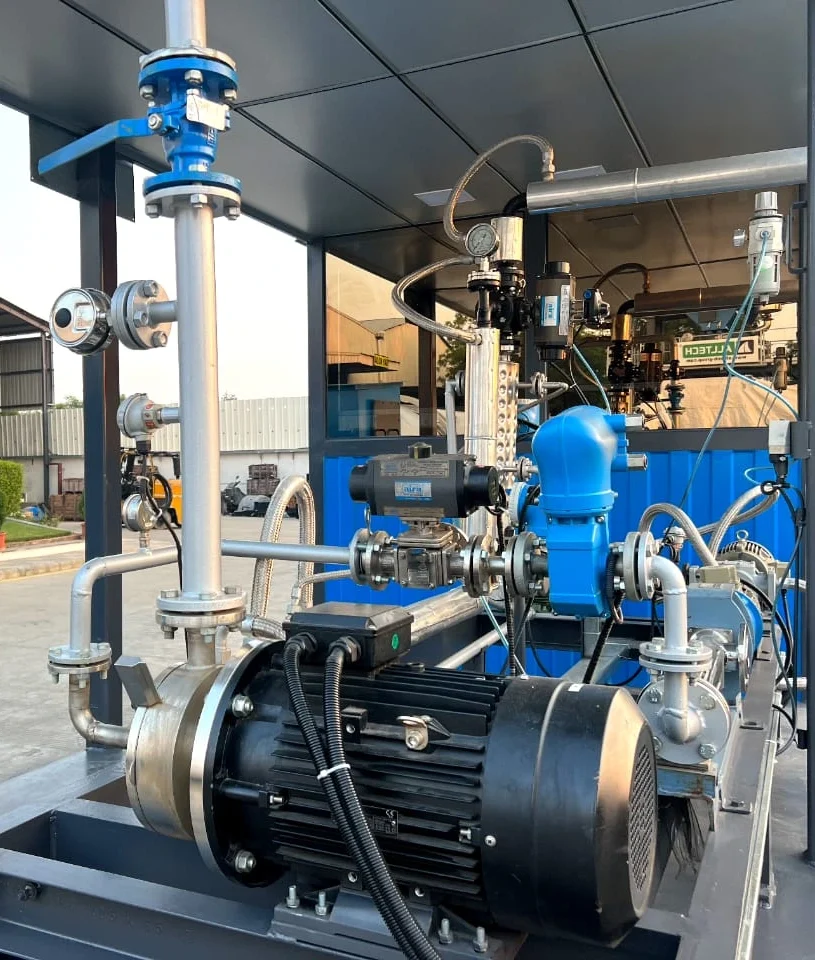
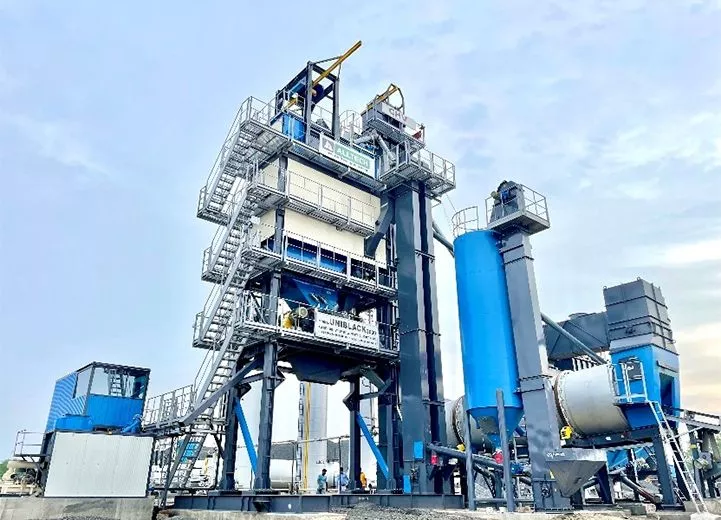
Спрос на установки для битумной эмульсии и PMB/CRMB (полимерно-модифицированный битум/резиновая крошка) растет из-за необходимости в прочных, экономически эффективных и устойчивых решениях для строительства дорог. Битумная эмульсия обеспечивает улучшенную адгезию и обрабатываемость, в то время как PMB/CRMB обеспечивает повышенную эластичность и термостойкость для более долговечных дорог. С более строгими нормами качества дорог и акцентом на устойчивые методы эти установки имеют важное значение для соответствия отраслевым стандартам и обеспечения эксплуатационных характеристик дорог в различных условиях.
Применение и характеристики: эмульсия, PMB и CRMB
| Параметр | Эмульсия | ПМБ | КРМБ |
| Состав | Битум, вода и эмульгирующие вещества | Битум, модифицированный синтетическими полимерами типа СБС | Битум, модифицированный резиновой крошкой из переработанных шин |
| Метод применения | Холодное нанесение, нагрев не требуется | Требует нагрева и смешивания с полимерами при высокой температуре | Требует нагрева и смешивания, резиновая крошка добавляется в битум |
| Время отверждения | Быстрое отверждение за счёт испарения воды | Более медленное отверждение, требует времени для смешивания с полимером | Умеренное отверждение, требует дополнительного времени для диспергирования резины |
| Эластичность | Низкая эластичность, применяется в основном для поверхностной обработки | Высокая эластичность за счёт полимеров, снижает трещинообразование и колейность | Хорошая эластичность, особенно в жарком климате, предотвращает деформацию |
| Долговечность | Кратко- и среднесрочная долговечность | Долгосрочная долговечность, устойчивость к колейности, усталости и старению | Очень высокая долговечность, отличная устойчивость к деформации и трещинообразованию |
| Экологическое воздействие | Низкое благодаря холодному нанесению и сниженному потреблению энергии | Умеренное экологическое воздействие, однако полимеры не подлежат переработке | Высокая экологичность за счёт переработки отработанных шин в полезный материал |
| Стоимость | Экономически выгодно для обслуживания дорог с малым трафиком | Более высокая стоимость из-за полимеров и затрат на обработку | Умеренная стоимость, баланс между эксплуатационными и экологическими преимуществами |
| Температурная чувствительность | Подходит для прохладного климата или районов с низкими температурами | Хорошо работает в условиях экстремальных температур | Наилучшие показатели в жарком климате, отличная устойчивость к высоким температурам |
| Область применения | Ямочный ремонт, герметизация, шламовые покрытия, дороги с малым трафиком | Дорожные покрытия с высокой нагрузкой, дороги с интенсивным движением и взлётно-посадочные полосы | Дороги с высокой нагрузкой, грузовые маршруты и регионы с интенсивным движением или перепадами температур |

Understanding Bitumen Modification
Definition and Properties of Bitumen
Bitumen is a thick, black substance derived from crude oil, widely used in road construction for its adhesive and waterproofing qualities. Its key properties include high viscosity, durability, and resistance to environmental factors like moisture and temperature fluctuations. Bitumen modification involves adding polymers, rubber, or other additives to enhance its performance, improving elasticity, strength, and resistance to wear. This modification results in superior durability and flexibility, making it suitable for high-traffic roads and challenging conditions.
Need for Modification in Different Scenarios
Bitumen modification is essential for optimizing road performance across diverse conditions. By enhancing its properties, modified bitumen improves resistance to deformation and rutting in high-traffic areas, boosts flexibility and reduces cracking in extreme weather, strengthens surfaces under heavy loads, and enhances waterproofing in moisture-prone regions. Additionally, it can be tailored to meet the specific demands of specialized applications such as airport runways and sports tracks, ensuring superior durability and functionality in various scenarios.
Key Components of Bitumen Modifying Equipment
Exploring Additives and Their Role
Bitumen modifying equipment includes various additives that transform its properties. These additives include polymers, crumb rubber, and other specialized compounds, each serving a unique purpose in enhancing bitumen characteristics.
Machinery and Technology Involved
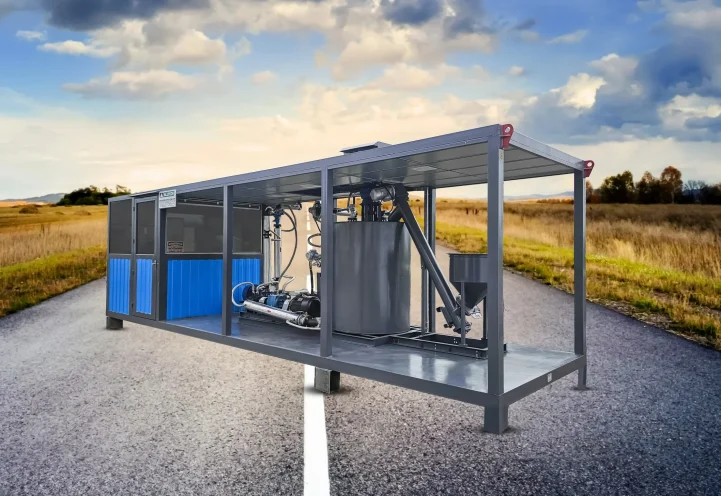
The equipment used for bitumen modification ranges from high-tech mixing units to precision application machines. Understanding the technology of these tools is essential for achieving the desired modifications efficiently.
Common Challenges in Bitumen Modification
Addressing Issues Like Temperature Sensitivity
One of the common challenges in bitumen modification is dealing with temperature sensitivity during the mixing process. Equipment must be adept at handling changing temperatures without compromising the quality of the modified bitumen.
Impact on Durability and Performance
Modifying bitumen can sometimes inadvertently affect its durability and overall performance. Striking a balance between achieving desired modifications and maintaining the core characteristics of bitumen is crucial.
Significance of Optimal Bitumen Modification
Enhancing Road Construction Quality
Properly modified bitumen significantly improves the quality and longevity of road surfaces. The enhanced resistance to wear and tear ensures that roads withstand heavy traffic and adverse weather conditions.
Cost-Effectiveness in the Long Run
While initial costs for bitumen modification may seem high, the long-term benefits outweigh them. Reduced maintenance, extended lifespan of roads, and improved performance contribute to overall cost-effectiveness.
Choosing the Right Bitumen Modification Equipment
Factors Influencing Equipment Selection
Choosing the right bitumen modifying equipment involves considering factors such as the type of modification required, project scale, and budget constraints. A tailored approach ensures optimal results.
Industry Best Practices
Learning from the experiences of industry leaders and following best practices in equipment selection and operation is crucial for successful bitumen modification projects.
Popular Bitumen Modification Techniques
Polymer Modification
Polymer modification involves adding synthetic polymers to bitumen, enhancing its elasticity and resistance to deformation. This technique is widely used for high-traffic road surfaces.
Crumb Rubber Modification
Recycled rubber, in the form of crumb rubber, can be added to bitumen to improve its elasticity and reduce susceptibility to cracking. This eco-friendly approach has gained popularity in recent years.
Benefits and Drawbacks of Each
Understanding the advantages and disadvantages of different modification techniques helps in making informed decisions based on project requirements and environmental considerations.
Environmental Impact and Sustainability
Examining Eco-Friendly Modification Options
As sustainability becomes a central to the construction industry, exploring eco-friendly bitumen modification options is essential. Biodegradable additives and recycled materials contribute to environmentally responsible practices.
Balancing Performance with Environmental Responsibility
Achieving a balance between high-performance standards and environmental responsibility is paramount. Modified bitumen can meet both criteria and ensure that infrastructure projects are in line with sustainability goals.
Applications of Modified Bitumen
Road Construction and Maintenance
Modified bitumen finds wide use in road construction, offering improved resistance to fatigue, rutting, and cracking. Maintenance requirements are reduced, contributing to overall infrastructure longevity.
Roofing and Waterproofing Projects
For roofing and waterproofing applications, modified bitumen provides enhanced waterproofing capabilities. It adapts well to different roofing materials and offers a reliable solution for various construction needs.
Advantages in Diverse Industries
In addition to construction, modified bitumen is used in various industries for its versatile properties. From automotive soundproofing to industrial sealing, its applications continue to expand.
Case Studies: Successful Bitumen Modification Projects
Showcasing Real-World Examples
Examining successful bitumen modification projects provides valuable insights into the effectiveness of different techniques and equipment. Real-world case studies highlight the practical applications and outcomes.
Highlighting Positive Outcomes and Lessons Learned
Understanding the positive results and lessons learned from past projects contributes to ongoing improvement in bitumen modification practices. These insights shape future projects and support continuous innovation.
Future Trends in Bitumen Modification
Technological Advancements
As technology evolves, so do bitumen modification. Keeping an eye on technological advancements ensures that projects benefit from the latest innovations in equipment and materials.
Anticipated Changes in Industry Practices
The bitumen modification industry is dynamic, with anticipated changes in practices related to sustainability, efficiency, and performance. Staying informed is key to staying ahead in this evolving landscape.
Ensuring Safety in Bitumen Modification
Guidelines and Precautions for Workers
Safety is paramount in bitumen modification projects. Establishing and adhering to strict guidelines and precautions ensures the well-being of workers involved in the modification process.
Regulatory Compliance
Meeting regulatory standards is essential for any construction project. Ensuring that bitumen modification practices align with industry regulations and environmental standards is a critical aspect of project management.
Educational Resources for Bitumen Modification
Training Programs and Certifications
For professionals entering the field of bitumen modification, access to training programs and certifications is essential. Continuous learning ensures that industry standards and best practices are upheld.
Staying Updated on Industry Advancements
In a rapidly evolving industry, staying updated on the latest advancements is crucial. Engaging with educational resources, attending conferences, and participating in industry forums contribute to professional growth.
Conclusion
In conclusion, bitumen modification is a pivotal aspect of modern construction, contributing to the durability, performance, and sustainability of infrastructure projects. By understanding the nuances of bitumen modifying equipment and staying abreast of industry advancements, professionals can ensure successful and efficient projects. Embracing the future trends in bitumen modification will further drive innovation, shaping the industry for years to come.
Frequently Asked Questions
Additives play a crucial role in altering the properties of bitumen, enhancing its performance in various applications. They can include polymers, crumb rubber, and other specialized compounds.
Polymer modification improves bitumen by enhancing its elasticity and resistance to deformation. This makes it particularly suitable for high-traffic road surfaces.
Crumb rubber modification incorporates recycled rubber, providing environmental benefits by utilizing waste materials. This approach reduces the environmental impact of construction projects.
Bitumen modification contributes to sustainability by incorporating eco-friendly additives and recycled materials. This aligns construction projects with environmentally responsible practices.
Factors such as the type of modification required, project scale, and budget constraints should be considered when selecting bitumen modifying equipment. A tailored approach ensures optimal results.
While modified bitumen offers numerous benefits, potential drawbacks include the complexity of the modification process and the need for specialized equipment. However, these challenges can be mitigated with proper planning and execution.
Yes, modified bitumen is suitable for residential roofing projects. It provides enhanced waterproofing capabilities and adapts well to different roofing materials.
Bitumen modification contributes to cost-effectiveness by reducing long-term maintenance requirements and extending the lifespan of infrastructure. The initial investment in modification pays off over time.
Strict safety measures, including guidelines for handling additives and ensuring proper ventilation, should be in place during bitumen modification. Workers should be equipped with appropriate protective gear.
Professionals can stay informed about the latest trends in bitumen modification by engaging with educational resources, attending industry conferences, and participating in forums. Continuous learning is essential for staying ahead in this dynamic field.