EN
EN
 RU
RU
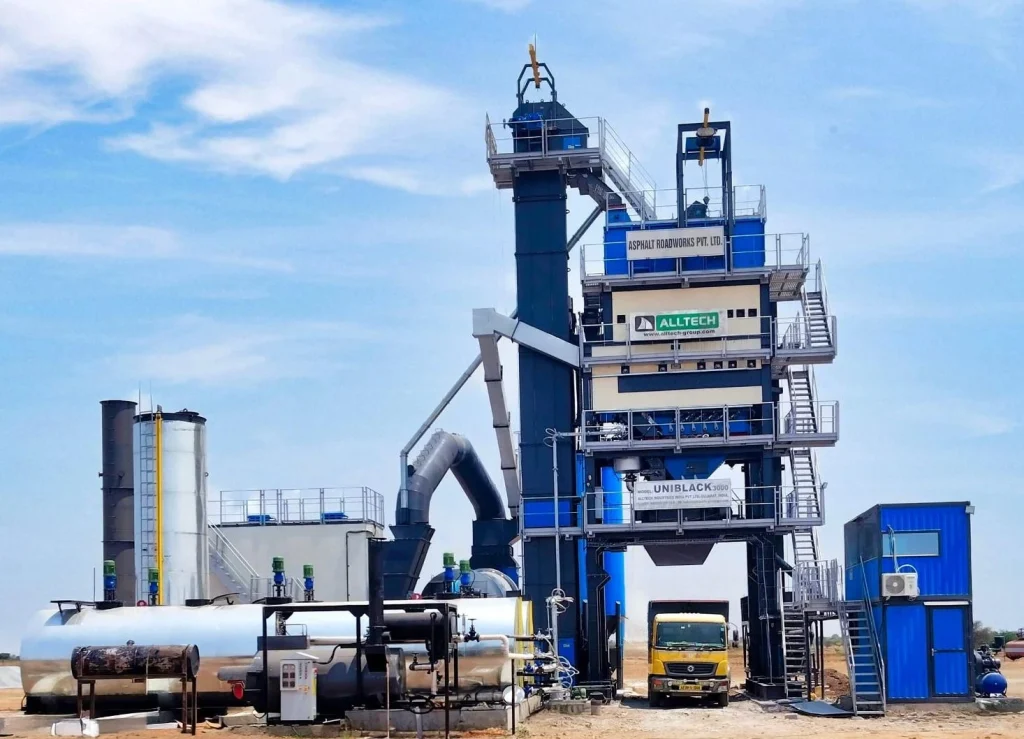
Short answer: There is no single price for an asphalt plant. The cost you pay depends on capacity, plant type, dust and emission equipment, automation level, and what is included in the supply. The cheapest quote is rarely the lowest cost over the plant’s life.
If you are planning to buy, this guide shows what drives the price so you can compare quotes on equal terms and budget with confidence. We do not list fixed prices because they change with configuration, materials and market conditions. Ask every supplier for a written quote against the same specification.
What Decides the Cost of an Asphalt Plant?
1. Plant Capacity
Capacity is the biggest price driver. A 240 TPH plant needs a larger dryer, mixer, burner, elevator and dust collector than a 60 TPH plant. Cost does not rise in a straight line, though. Larger plants often cost less per tonne of hourly capacity, but they need more space, more power and a bigger site team.
Match capacity to your real workload, not your best-case month. Buying too large ties up capital, and buying too small limits the contracts you can take. If you are in the 160–180 TPH range, see the Asphalt Batch Mix Plant Premium Model (160–180 TPH). For high-volume highway and large infrastructure work, the Asphalt Batch Mix Plant Global Model (200–320 TPH) is built for that scale.
2. Plant Type
- Batch mix plants cost more than drum mix plants of similar capacity because they include hot screens, hot bins, weighing systems and a pugmill. In return, you get tighter control over the mix.
- Drum mix plants have fewer components and a simpler layout.
- Mobile or portable plants are built for easy transport and fast setup, which affects structure and design.
If consistent mix quality matters on your projects, compare options on the Asphalt Batch Mix Plant page.
3. Dust Collection and Emission Control
A bag filter (baghouse) and its ducting, fan and stack are a major part of the price. Stricter local emission rules may require a larger filter area or extra equipment. Never remove this from a quote to make it look cheaper. You will need it to operate legally.
4. Burner and Fuel System
The burner, fuel tanks and fuel train depend on the fuel you use, such as diesel, heavy oil, gas or dual-fuel. Dual-fuel and low-emission burners cost more up front but can reduce running costs and give you fuel flexibility.
5. Automation and Controls
A basic manual or semi-automatic panel costs less than a fully computerised system with recipe storage, data logging, remote monitoring and reports. Advanced controls improve consistency and reduce waste, so weigh the extra cost against the savings.
6. Cold Feed, Storage and Extras
Ask exactly what is included in the price:
- Number and size of cold feed bins
- Filler and bitumen storage
- Hot mix storage silo size
- RAP (recycled asphalt) feeding system
- Bitumen heating system (thermic oil or electric)
- Additive dosing (fibre, polymer)
- Loader, weighbridge and site office
7. Quality of Build and Components
Steel thickness, wear-resistant liners, motor and gearbox brands, and the quality of electrical parts all affect both price and lifespan. Ask for component brands and warranty terms in writing.
8. Site and Installation
Foundation work, erection, commissioning, transport, import duties and training can add significant cost. Confirm whether the quote is ex-works, delivered or installed.
9. Service and Spare Parts
A plant is only as good as the support behind it. Check spare parts availability, service response time and warranty. A well-supported plant usually costs less over its life.
How to Compare Asphalt Plant Quotes Fairly
- Give every supplier the same written specification.
- Compare real output, not just nameplate TPH.
- Confirm what is and is not included.
- Ask for fuel consumption and power requirements.
- Compare warranty, spares and service terms.
- Think in total cost of ownership over several years, not just purchase price.
Should You Buy New, Used or Retrofit?
A used plant can lower the entry cost, but check its condition, the availability of spares and compliance with current emission rules. If your existing plant is basically sound, a targeted retrofit of controls, burner or dust collection can be a cost-effective alternative to a new plant.
It depends on capacity, type, options and location. Request quotes for a defined specification, since a headline price without a specification can mislead.
A drum mix plant is usually cheaper to buy at the same capacity, but a batch mix plant gives more mix control. Choose based on your projects.
Foundations, erection, commissioning, fuel and bitumen tanks, dust collection, spare parts and operator training.
Many contractors use equipment finance to spread the cost. Ask suppliers about payment terms.
Get a Clear Quote from Alltech India Limited
Alltech India Limited has manufactured road construction equipment since 2007 and has supplied customers in more than 30 countries. Share your capacity, mix types and site conditions, and we will prepare a quotation against a clear specification. Explore our asphalt batch mix plant range or Request a Quote today.
Alltech India Limited
Rugged. Robust. Reliable.